
Our Services
Window Installation in NJ - Energy-Efficient and Storm-Rated Replacement Windows
Family-owned. Owner Charles Kearns has been in construction since 1978. Free inspections at (732) 770-3867.
Window installation in New Jersey on a typical home runs roughly $400 to $1,200 per window for standard double-hung vinyl, more for casement, bay, or storm-rated units. Quality Roof Pros is a family-owned NJ contractor. Owner Charles Kearns has been in construction since 1978 and runs the install crew himself. We install and replace double-hung, casement, sliding, bay, bow, and picture windows across Ocean, Monmouth, Middlesex, and Atlantic Counties. Coastal homes benefit from storm-rated impact-resistant glass, which holds up to flying debris during hurricanes and nor'easters. Energy efficiency comes from low-E coatings, argon gas fills, and a U-factor below 0.30. That combination cuts heating and cooling bills on Jersey Shore homes. Every window we install is flashed at the rough opening to prevent water entry. Our 30-year Quality Roof Pros labor warranty applies. (732) 770-3867.
The Six Window Types We Install
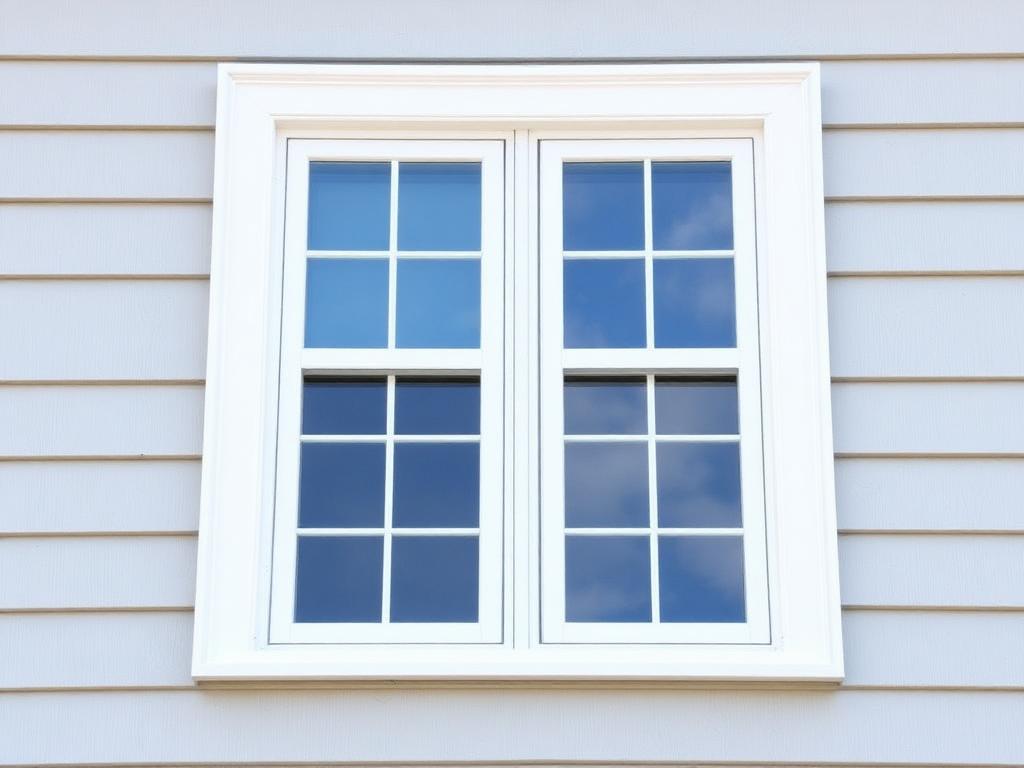
Double-Hung
The most common residential window in NJ. Two sashes that slide vertically. Both sashes tilt in for cleaning. Cost-effective. Works in almost any architectural style.
Casement
Side-hinged windows that crank open outward. Tighter air seal than double-hung when closed. Best ventilation per opening. Slightly more expensive than double-hung.
Sliding
Horizontal sliders. Common in bedrooms and basements where vertical clearance is limited. Less expensive than casement.
Bay
Three-section windows that project outward from the wall. Adds interior square footage and creates a window seat. Premium-priced because of the structural framing required.
Bow
Four to six-section windows that curve outward in a gentle arc. Similar to bay but with more glass area and a softer architectural line.
Picture / Awning
Picture windows are fixed (non-opening), best light, no ventilation, lowest cost per square foot of glass. Awning windows are top-hinged and crank outward - often used above other windows or in bathrooms. Plus garden windows and specialty shapes (round, octagonal, custom) on request.
What to Look For in an Energy-Efficient Window
Three specs determine how much a window costs you in heating and cooling: U-factor, Solar Heat Gain Coefficient (SHGC), and air infiltration rate.
U-Factor
Measures how well the window insulates. Lower is better. We recommend 0.30 or below for NJ climate. ENERGY STAR rated windows in our climate zone all meet that target.
SHGC (Solar Heat Gain Coefficient)
Measures how much solar heat the window lets in. Lower SHGC means less summer heat. South and west-facing windows benefit from lower SHGC. North and east-facing windows can run higher SHGC for winter solar gain.
Air Infiltration Rate
Measures how much air leaks around the window frame. Lower is better. The best windows under 0.10 cfm/sq ft. Cheap windows can run 0.30+ which means a constant draft you can feel in winter.
Low-E coatings (microscopic metal oxide layers on the glass) plus argon gas fills (between the panes) deliver the U-factor and SHGC numbers. Triple-pane windows go further but cost roughly 50 percent more per window than double-pane and only make sense in specific climates - NJ isn't quite cold enough to justify them for most homes.
Storm-Rated Windows and Why Shore Homes Need Them
Coastal NJ homes face wind-driven debris during hurricanes and severe nor'easters. Standard windows can break under impact from flying debris, which immediately compromises the structural integrity of the house (a broken window in a hurricane lets wind into the building, which can lift the roof).
Storm-rated impact-resistant windows have a polymer interlayer between the panes (similar to automotive windshield glass) that holds the glass together when struck. The window may crack, but it stays in the frame. That's the entire point - keep the wind outside even when something hits the glass.
Florida-style impact ratings (Miami-Dade certified) are the gold standard. Worth considering on homes within a mile of the ocean and on south or east-facing exposures.
Beyond impact rating, the Design Pressure (DP) rating tells you how much wind force the window can resist before structural failure. DP 50+ is appropriate for shore homes. DP 30 is enough for inland homes.
Storm-rated windows also reduce interior wind noise during stormy days, which is a noticeable comfort upgrade most homeowners don't anticipate.
How to Measure for Window Replacement
Measuring for replacement windows is straightforward but every measurement matters. We measure during the inspection - you don't have to do it yourself - but here's what we measure and why.
Width: measure the rough opening width at three points (top, middle, bottom). Use the smallest measurement.
Height: measure the rough opening height at three points (left, center, right). Use the smallest measurement.
Depth: measure from the exterior siding plane to the interior drywall plane. This determines whether you need a standard new-construction frame or a retrofit insert.
Squareness: measure both diagonals. If they differ by more than 1/4 inch, the opening isn't square and the new window will need shimming.
Our 4-Step Window Installation Process
Inspection and Measurement
Free, on-site. We measure every window in the project, identify any rough-opening rot, and check for related water damage in the surrounding wall.
Estimate
Line-item written estimate covering windows, labor, flashing materials, and any rough-opening repair we recommend.
Order Lead Time
Most window orders run 2-4 weeks lead time from manufacturer. Special orders (custom shapes, premium brands) can run 6-8 weeks. We confirm lead time before you sign.
Install Day
Crew arrives at 7-8 AM. Existing windows removed. Rough openings inspected for rot - we replace damaged framing at standard lumber rate. New windows installed, flashed at the rough opening, sealed with high-grade caulk. Interior trim restored. Cleanup at end of day.
Window Installation FAQ
How much does window installation cost in NJ?
How long does the install take?
Do I need impact-resistant glass on the Jersey Shore?
What is a U-factor and why does it matter?
Can I replace windows myself?
How long do new windows last?
Service Area
Serving four New Jersey counties.
From our Brick Township base at 233 Lake Rd.
Ocean County, NJ
Brick Township, Toms River, Jackson, Lakewood…
See coverageMonmouth County, NJ
Manasquan, Wall Township, Howell, Middletown…
See coverageMiddlesex County, NJ
Old Bridge, Edison, Woodbridge, Perth Amboy…
See coverageAtlantic County, NJ
Atlantic City, Egg Harbor Township, Galloway, Hammonton…
See coverageOther Roofing Services
Get On The Books
Get Your Free Window Installation Inspection
Brick Township | All four counties.